


With AI making huge strides, you might wonder about its role in mental health. Can an AI truly understand your struggles, or offer the kind of guidance a human can? We’re going to explore the Christian perspective on this, helping you decide if an AI therapist aligns with your faith and well-being.
Key Takeaways:
You might think AI therapists are just fancy chatbots, but the ethical questions they raise for Christians are pretty deep, especially when we talk about mental health. It’s not just about what an AI *can* do, but what it *should* do, and whether it aligns with our faith’s understanding of human connection and healing.
1. A Christian perspective emphasizes human dignity and relational care. AI, by its very nature, lacks consciousness, empathy, and the ability to truly *know* a person in the way God knows us. This fundamental difference means an AI can’t offer the holistic, spiritual support often found in human-to-human Christian counseling.
2. The concept of *Imago Dei* (being made in God’s image) points to our unique capacity for spiritual connection and personal growth. An AI can process information and offer coping strategies, sure, but it can’t engage with someone’s soul or guide them through spiritual struggles. That’s a distinctly human, and often faith-based, journey.
3. Confidentiality and data privacy are huge concerns. If an AI therapist stores your most vulnerable thoughts, who really owns that data? And how can you be sure it’s not misused or accessed by others? For Christians, trust is built on integrity and accountability, and the opaque nature of AI algorithms complicates this.
4. AI might provide quick, accessible support for certain mental health issues, particularly for those facing barriers to traditional care. We can see its potential for practical advice or initial screenings, acting as a kind of first aid. But it’s crucial to distinguish this from the deep, personal guidance a human counselor provides.
5. Discernment becomes incredibly important. Christians are called to wisely evaluate new technologies through the lens of their faith. Instead of blindly adopting AI solutions, we need to ask if they truly serve human flourishing and align with biblical principles, or if they risk diminishing genuine human interaction.
6. Authentic community and human connection are central to Christian well-being. Relying solely on AI for mental health support could unintentionally isolate individuals, pulling them away from the very human relationships and church communities that are often sources of strength and healing. We need to prioritize real connection.
7. Ultimately, AI should be seen as a tool, not a replacement for human care. When considering AI for mental health, Christians should approach it with caution, understanding its limitations. It might supplement human efforts, offering information or exercises, but it can’t replicate the spiritual depth, empathy, and personal relationship that are hallmarks of true Christian counseling.
What’s the deal with these AI therapy bots anyway?
Why everyone’s suddenly talking about them
Reports show a surge in mental health apps, and AI therapy bots are a big part of that. You’ve probably seen ads pop up, or maybe a friend mentioned trying one out. Everyone’s looking for accessible mental health support, and these bots offer a seemingly easy solution, especially with long wait times for human therapists.
It’s basically just a computer in a lab coat
Think of it this way: a bot is a sophisticated program designed to mimic human conversation. It doesn’t have feelings, experiences, or a soul. It’s just algorithms, data, and code, all working to simulate empathy and understanding.
You’re talking to a highly advanced script, not a sentient being. This bot analyzes your input – your words, your tone, sometimes even your facial expressions if you’re on video – and then pulls from a vast database of pre-programmed responses and therapeutic techniques. It’s like a very, very smart chatbot, you know? It can identify patterns, suggest coping mechanisms, and even guide you through exercises like deep breathing, but it’s all based on what it’s been taught, not on genuine personal insight or spiritual discernment. It doesn’t actually “care” about you in the way a human, made in God’s image, can.


Can a bunch of code actually have a soul?
You might wonder if advanced algorithms, mimicking empathy, can ever possess something akin to a soul. Can lines of code truly hold the essence of personhood, or is it just sophisticated mimicry?
Why being made in God’s image matters here
God crafted you in His image, giving you inherent dignity and spiritual depth. An AI, no matter how complex, doesn’t share this divine connection, which changes everything.
The risk of losing that real human touch
Relying solely on AI for deep emotional support could erode your capacity for genuine human connection. You might unknowingly trade authentic relationships for convenient, programmed responses.
Consider the subtle nuances of human interaction – the shared silence, the knowing glance, the comfort of a friend’s physical presence. AI can’t replicate that. You risk becoming isolated, even while “talking” to an AI, because those deep, messy, beautiful human bonds are what truly sustain you.
My take on whether you should spill your guts to a bot
You’re probably wondering, given all this talk about AI, if it’s really okay to open up to a machine. My honest feeling? It’s complicated, and your gut feeling probably mirrors that. It’s one thing to get help organizing your schedule, quite another to trust a bot with your deepest anxieties.
Is your data honestly safe with a machine?
Think about all the data breaches we hear about daily. Can you really be sure your most private thoughts, shared with an AI, won’t end up somewhere unexpected? You’re trusting a company, not just a program, with your vulnerability.
What happens when the algorithm gets it wrong
Imagine sharing something truly sensitive, something that needs real nuance, and the AI misinterprets it. What if its programming leads to advice that’s not just unhelpful, but actually harmful to your mental well-being?
A human therapist, even if they make a mistake, can usually recognize it and correct course, drawing on empathy and years of training. An algorithm, however, operates within predefined parameters; it doesn’t “feel” your distress or understand the subtle implications of your words in the same way. When an algorithm misfires, its response could range from a frustratingly generic platitude to a suggestion that inadvertently exacerbates your issues, all without the capacity to truly comprehend the depth of its error or the potential for real emotional damage.
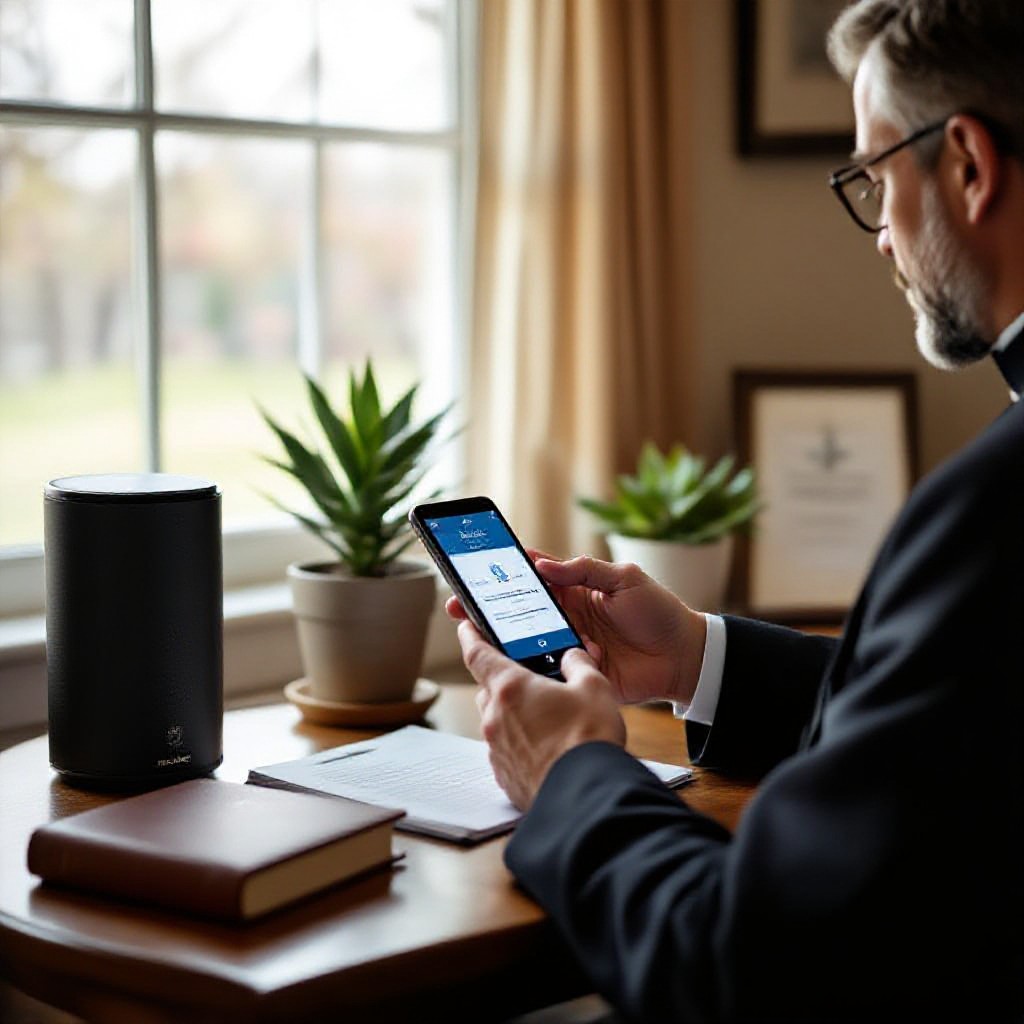
Why AI might actually be a blessing for some
You might be surprised, but for many, AI offers a truly accessible path to mental health support they simply couldn’t get otherwise. Think about it – not everyone has easy access to traditional therapy, and the barriers are often higher than you’d imagine.
It’s cheap and it’s always there when you’re down
Cost is a huge factor, isn’t it? AI therapy can be incredibly affordable, or even free, making mental health support available to more people. And it’s always there, 24/7, ready to listen when you need it most.
Breaking the stigma without the awkwardness
Talking about your struggles can feel incredibly vulnerable, can’t it? AI offers a private, judgment-free space. You can share your deepest fears and anxieties without worrying about what another person might think.
Many individuals find the thought of sitting across from a human therapist incredibly daunting, even paralyzing. You might worry about being judged, or perhaps you just feel too embarrassed to open up to someone face-to-face. An AI therapist removes that immediate social pressure. It’s just you and the program, allowing you to explore your thoughts and feelings at your own pace, completely free from the perceived awkwardness or potential for social discomfort. This anonymity can be a powerful catalyst for initial self-reflection and help you take those crucial first steps toward addressing your mental well-being.

The real deal about wisdom vs. just programmed facts
Consider an AI’s advice versus a trusted elder’s counsel. You’re presented with information, sure, but can an algorithm truly understand the nuances of your soul, your struggles, your deepest fears, or your hopes? An AI processes data; it doesn’t possess personal experience or a moral compass.
Why we need spiritual discernment, not just logic
Understanding your situation demands more than just logical deduction. You need spiritual discernment, a gift that helps you see beyond surface-level facts into the heart of matters, something no machine can ever replicate or teach.
Can a robot really understand what suffering feels like?
Imagine trying to explain grief to a computer. It can access countless articles on grief, process statistics, and even offer coping mechanisms, but it can’t feel the sharp ache of loss.
That profound, deeply personal experience of suffering, the kind that shapes your character and faith, remains entirely outside an AI’s grasp. It’s an emotional landscape only humans, made in God’s image, can truly inhabit and understand. An AI might parrot empathy, but it can’t genuinely empathize; it can’t sit with you in your pain, sharing a knowing silence or offering comfort born of shared humanity.
Why I Think We Shouldn’t Let Tech Replace Our Community
You might find AI tempting as a quick fix for mental health, but its impersonal nature can’t replicate genuine human connection. Our faith tradition emphasizes community, and leaning too heavily on technology isolates us from the very people God intends to support us. We need real faces, real voices, and real empathy, not just algorithms.
Treat It Like a Tool, Not a Savior
Think of AI as a helpful assistant, not a replacement for your spiritual support system. It can offer insights or resources, but it lacks the wisdom and discernment that comes from human experience and the Holy Spirit. Don’t let it become your sole source of guidance; that’s a dangerous path.
Keeping Your Pastor and Friends in the Mix
Real people offer empathy and understanding an AI simply can’t. Sharing your struggles with trusted friends and your pastor provides a depth of connection and accountability that’s necessary for true healing. You need that human touch.
Talking with your pastor, a respected elder, or even a close, spiritually mature friend offers something an AI never will: genuine, prayerful discernment and a shared understanding of your faith journey. They can pray with you, offer counsel rooted in scripture and personal experience, and remind you of God’s presence in your life. This isn’t just about getting advice; it’s about being seen, heard, and supported within a loving, faith-filled community. It’s about not walking alone, because God didn’t design us to.
To wrap up
On the whole, you must consider the profound implications of entrusting your mental well-being to AI. You’re exploring a new frontier, one where technology offers convenience but also presents ethical dilemmas. You need to weigh the potential benefits against the inherent limitations and risks, especially concerning your spiritual and emotional needs. Make informed decisions, understanding that human connection often remains irreplaceable.
FAQ
Q: Can AI truly understand my unique spiritual struggles, or is it just a programmed response?
A: You know, that’s a really big question, isn’t it? When we talk about AI and spiritual struggles, it’s easy to wonder if a machine can ever grasp the deeply personal and often ineffable nature of faith, doubt, or existential angst. AI systems are built on algorithms and vast datasets; they recognize patterns, process information, and generate responses based on what they’ve “learned.” They can identify themes in your words, offer scriptural references, or suggest coping mechanisms that have worked for others.
But here’s the kicker: understanding, in the human sense, involves empathy, intuition, and a shared lived experience. An AI doesn’t have a soul, it doesn’t experience grace, or wrestle with temptation in the same way a person does. It can simulate understanding, and it can be incredibly helpful in providing resources or a listening “ear” without judgment. Just remember, it’s a tool, a very sophisticated one, not a spiritual guide in the traditional sense.
Q: What are the ethical considerations for a Christian considering an AI mental health tool, especially regarding privacy and data?
A: Okay, so you’re thinking about an AI therapist, and your Christian values are making you pause – that’s smart. Privacy and data are huge here. When you share your deepest thoughts and struggles with an AI, that information goes somewhere, right? It’s usually stored, analyzed, and sometimes even used to improve the AI’s performance. You have to ask: who owns that data? How is it encrypted? Could it ever be shared, even anonymously, with third parties?
From a Christian perspective, we’re called to be wise stewards of ourselves and our information. Giving away extremely sensitive personal data without fully understanding the implications might not align with that. A good rule of thumb is to look for tools that are transparent about their data policies, use strong encryption, and ideally, are designed with a “privacy-first” approach. Don’t just click “agree” without reading the fine print – your mental and spiritual well-being are too important for that.
Q: How does the “imago Dei” concept – that humans are made in God’s image – influence our view of AI in mental health?
A: The idea of “imago Dei” is pretty central to Christian thought, isn’t it? It means we’re created in God’s image, possessing qualities like reason, emotion, creativity, and the capacity for relationship with God and others. This sets us apart, making human connection and empathy incredibly meaningful. When we think about AI in mental health, this concept brings up some interesting questions.
Can an AI, which isn’t made in God’s image, truly provide the holistic care that a human, reflecting God’s image, might? A human therapist can offer genuine compassion, pray with you, or share their own spiritual insights in a way an AI simply can’t. An AI can offer information and structured support, but it can’t fully mirror the divine image back to you or engage in the profound spiritual communion that’s often part of healing. It’s a tool, yes, but it doesn’t diminish the unique value of human-to-human connection, which is a reflection of God’s relational nature.
Q: Could relying on an AI therapist diminish my reliance on God, community, or traditional spiritual practices?
A: That’s a really valid concern, and it’s something we should absolutely consider. If you start turning to an AI for every mental health struggle, there’s a risk you might inadvertently pull back from the spiritual disciplines and community supports that are so vital for Christians. Prayer, scripture study, fellowship with other believers, and seeking guidance from pastors or spiritual directors are cornerstones of our faith.
An AI can be a convenient resource, especially when you need immediate support or privacy. But it shouldn’t replace the richness of human connection or your direct relationship with God. Think of it this way: an AI is like a helpful guidepost, but it’s not the path itself, nor is it your traveling companion. True spiritual growth often happens in relationship – with God and with others – and an AI can’t replicate that depth.
Q: What are the potential benefits of AI mental health tools for Christians, particularly those facing barriers to traditional therapy?
A: Okay, let’s flip it for a second and look at the good side. AI mental health tools actually offer some really compelling benefits, especially for Christians who might be struggling to access traditional therapy. Think about it: cost can be a huge barrier, and AI apps are often much more affordable, if not free. Accessibility is another big one; if you live in a rural area, have mobility issues, or just can’t find a therapist who aligns with your faith, AI can bridge that gap.
There’s also the anonymity factor. Sometimes, people, including Christians, feel a lot of shame or stigma around mental health issues, making them hesitant to talk to anyone face-to-face. An AI can offer a judgment-free space to start exploring those feelings. It’s not a replacement for human care, but it can be a really helpful first step or a supplementary resource for those who might otherwise get no help at all.
Q: How can I discern if an AI mental health tool is operating within Christian ethical frameworks, or at least not contradicting them?
A: Discerning if an AI tool aligns with Christian ethics means doing a little homework, really. First, look at the values statement of the company behind the AI. Do they emphasize empathy, respect, and privacy? Do they talk about user well-being, not just data collection? You’ll want to see if their core principles resonate with a Christian worldview of care and dignity.
Next, dig into their content. Does the advice or guidance offered respect human life, promote healthy relationships, and encourage virtues? Does it avoid promoting anything that clearly contradicts Christian teachings? You should also check for transparency regarding their algorithms and how they handle sensitive topics. If they’re vague or evasive, that’s a red flag. Ultimately, it’s about finding a tool that treats you with the dignity God intends, even if it’s just an algorithm.
Q: Should Christian leaders and churches be actively engaging with AI mental health developments, and if so, how?
A: Absolutely, Christian leaders and churches should be leaning into the conversation around AI and mental health. This isn’t just some tech fad; it’s rapidly becoming part of how people seek help. Ignoring it means missing a huge opportunity to minister effectively in a changing world. So, how can they engage?
They could start by educating their congregations about the pros and cons of AI tools, offering guidance on how to use them wisely and discerningly. Churches could also explore partnering with reputable AI mental health platforms that align with Christian values, perhaps even curating resources or offering supplementary pastoral care to those using AI. And leaders should be advocating for ethical AI development, pushing for systems that prioritize human dignity, privacy, and spiritual well-being. It’s about being present and proactive, not just reacting after the fact.
https://renewedmindproject.com/faith-therapy-anxiety-top-5-questions-answered/
https://renewedmindproject.com/ai-and-mental-health-trusting-an-ai-therapist/