
Self-care isn’t just a trend; it’s imperative for your well-being. You might wonder if biblical principles align with modern self-care practices. This post explores how integrating both biblical and secular approaches can truly nurture your soul, offering a balanced perspective on tending to your inner self. You deserve holistic care, don’t you?### Key Takeaways:
You know, there’s a lot of chatter these days about “self-care,” and it’s easy to get lost in all the different ideas floating around. But when we talk about biblical self-care versus the more secular kind, it really opens up a fascinating conversation about what truly nourishes us.
* Secular self-care often focuses on external relief, while biblical self-care digs deeper. Think about it: a spa day feels great, right? But it’s usually about temporary fixes for stress. Biblical self-care, though, it’s about tending to your inner being, your spirit, in ways that last. It’s about finding peace that isn’t dependent on your circumstances.
* Our souls really do need both types of care. It’s not an either/or situation. We live in bodies that get tired and stressed, and taking a relaxing bath or getting enough sleep is absolutely necessary. But those things alone won’t fill the spiritual void.
* Biblical self-care is rooted in our identity in Christ. This is a huge difference. When we care for ourselves from a biblical perspective, it’s because we’re made in God’s image, deeply loved, and have a purpose. It’s not just about feeling good, it’s about being good stewards of the life God gave us.
* Secular self-care can be a good starting point for recognizing our needs. Sometimes, a secular approach helps us see, “Hey, I’m burnt out, I need a break.” That awareness is valuable, and it can then lead us to explore deeper, more spiritual forms of replenishment.
* True rest, from a biblical viewpoint, involves surrender and trust in God. It’s more than just stopping work; it’s about letting go of control and trusting that God’s got things covered. That kind of rest is incredibly freeing and deeply restorative for the soul.
* Community plays a big role in biblical self-care. You’re not meant to do life, or self-care, alone. Leaning on your church family, getting support, and even serving others – these are all acts of self-care because they connect you to something bigger and remind you of God’s love through others.

What’s the difference anyway? Let’s talk secular vs. spiritual vibes
The world’s version of self-care is mostly bubble baths and wine
You probably think of massages and Netflix binges when someone mentions self-care. It’s all about fleeting comfort, temporary escape from stress, and indulging your physical desires for a quick fix.
Biblical care is more about getting your heart right with God
Biblical self-care focuses on spiritual nourishment, drawing you closer to your Creator. It’s about aligning your spirit, mind, and body with His divine purpose for you.
How does getting your heart right with God actually work? It means actively seeking His will, not just your own. You’re submerging into scripture, praying consistently, and really listening for His guidance in your life. It’s about repentance, turning away from things that separate you from Him, and embracing His grace. This kind of care isn’t about what you can *get* from the world, but what you can *give* and how you can *grow* in your relationship with the divine. It’s a deep, ongoing transformation, not a one-time event.
The real deal about the ‘me-first’ mentality that’s everywhere
You’ve probably noticed a pervasive “me-first” attitude seeping into everything, right? This isn’t just about treating yourself to a fancy coffee; it’s a deeper current, influencing how you view your needs versus the needs of others, blurring the lines between healthy self-preservation and outright self-absorption.
When self-care turns into just being kind of selfish
Sometimes, what you call “self-care” can actually be a way to avoid responsibilities. Are you really recharging, or are you just using it as an excuse to ignore calls, skip commitments, and put your own comfort above everything and everyone else?
How to tell if you’re just numbing out instead of healing
Think about your go-to “self-care” activities. Do they genuinely leave you feeling refreshed and ready to face challenges, or do they just offer a temporary escape from whatever’s bothering you? It’s a subtle but important difference, you know?
That temporary escape often looks like endless scrolling through social media, binge-watching shows until 3 AM, or maybe even overindulging in food or drink. You might feel a fleeting sense of relief, but then the underlying stress or sadness quickly returns, sometimes even stronger. True healing, on the other hand, usually involves some discomfort as you process emotions and confront issues, ultimately leading to genuine peace and growth.
Here’s the secret: Rest isn’t just doing nothing, it’s a gift
You might think rest means binging Netflix all weekend, but it’s so much more than passive idleness. True rest, the kind your soul craves, is an active choice to cease striving, to lay down your burdens, and to receive the grace of stillness. It’s about recognizing that you weren’t meant to carry everything yourself, that there’s a divine rhythm to life, and you get to participate in it.
Jesus didn’t just work all the time, He slipped away to pray
Even the Son of God, with all His power and purpose, regularly retreated. He knew His limits, and He modeled the necessity of stepping away from the demands of ministry to connect with His Father. You can learn from His example.
Finding that peace that passes understanding in the middle of a mess
Sometimes, life throws you curveballs – big ones. You’re trying to keep all the plates spinning, and it feels like everything’s about to crash down around you. How do you find calm in that kind of chaos?
You’ve probably experienced those moments where anxiety feels like a physical weight, pressing down on your chest. Maybe you’re facing a tough decision at work, or there’s tension in your family, or just the daily grind feels overwhelming. It’s in those very moments, when your human capacity feels stretched thin, that you can lean into a different kind of strength. It’s not about ignoring the problems; it’s about shifting your focus, even for a few minutes, to something bigger than your immediate circumstances. You can find a quiet space, close your eyes, and simply breathe, inviting a sense of peace that doesn’t depend on your external situation changing. This isn’t denial; it’s a spiritual anchor, grounding you when the waves get rough.

How do we actually do this? My take on a balanced daily routine
So, how do you weave together biblical principles and practical self-care into your everyday? You’re probably wondering what this actually looks like. Here’s a peek into how you can intentionally integrate both for a truly nourished soul, mind, and body.
Mixing your prayer time with a long walk in the fresh air
Have you ever considered taking your conversations with God outside? You can find a different kind of peace and clarity walking and praying. The fresh air and movement often help you focus, allowing for a deeper connection with Him.
Setting boundaries that actually honor God and your sanity
Do you ever feel stretched too thin, sacrificing your well-being for others? Establishing healthy boundaries isn’t selfish; it’s a way to honor the temple God gave you and maintain your capacity to serve effectively.
Knowing your limits, and communicating them kindly but firmly, protects your energy and peace. This means saying “no” sometimes, even to good things, if they’ll lead to burnout. You’re not letting anyone down by taking care of yourself; you’re ensuring you have more to give in the long run. Boundaries create space for rest, reflection, and rejuvenation, all of which are absolutely important for a thriving spiritual life and a healthy mind. Think about it: how can you pour into others if your own cup is constantly empty? It’s not just about what you *can* do, but what you *should* do to maintain your God-given health and purpose.
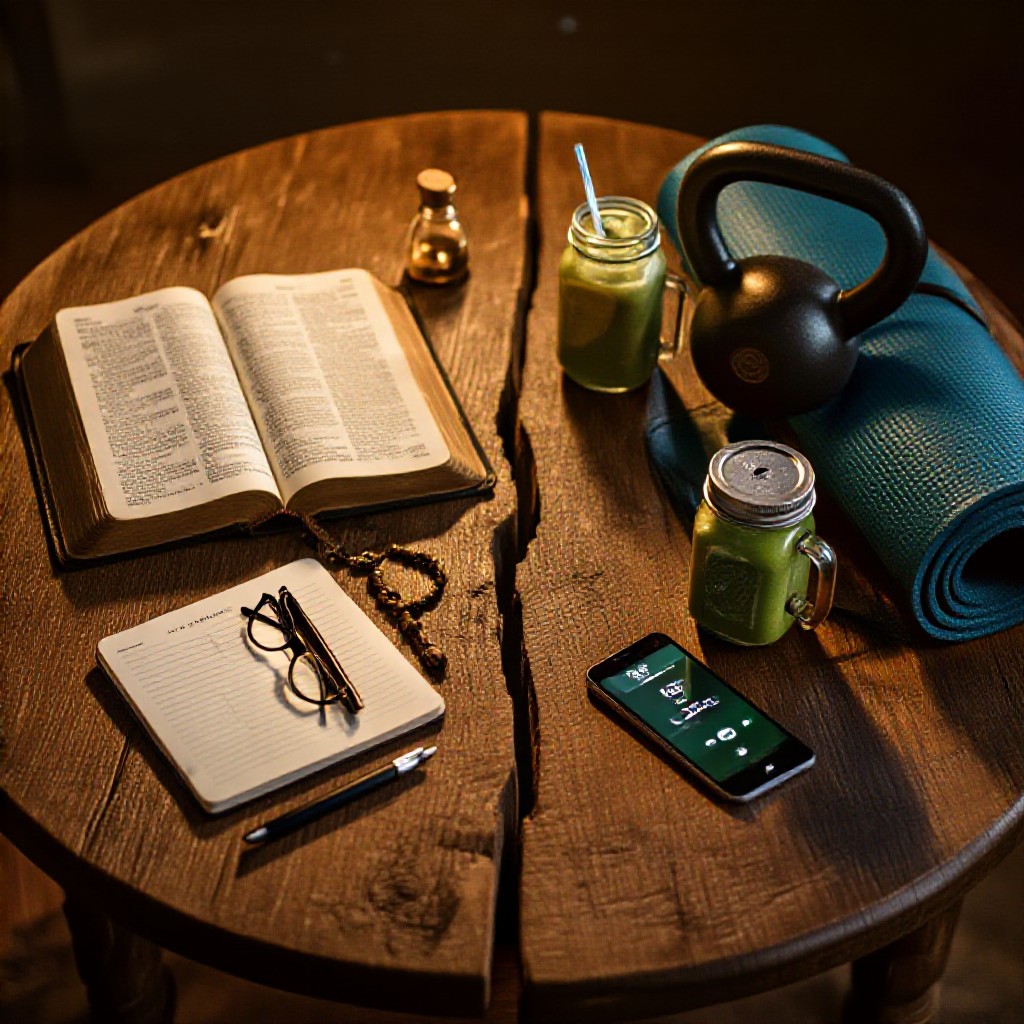
Seriously, is it okay to treat yourself sometimes?
You might wonder if enjoying earthly pleasures contradicts your faith. It’s a common concern, this idea that self-denial is the only path to spiritual growth. But honestly, God gifted us with senses and a world full of beauty to experience, not just to ignore.
Why enjoying a good meal or a hobby isn’t un-Christian
Consider the joy in a perfectly cooked meal or the satisfaction of a creative pursuit. These aren’t sinful indulgences; they are often expressions of gratitude for God’s provision and creativity. You’re not just eating; you’re appreciating.
Keeping your eyes on the Creator instead of just the comfort
How do you ensure these moments of comfort don’t become idols, though? It’s a delicate balance, making sure the *source* of your joy remains clear. You want to enjoy the gift, but worship the Giver, right?
This distinction is everything. When you savor a delicious meal, are you giving thanks for the sustenance and flavor, acknowledging the Provider, or are you just chasing the fleeting sensation of fullness? When you immerse yourself in a hobby, does it draw you closer to understanding the intricate beauty of creation, or does it merely distract you from deeper spiritual reflection? It’s not about denying pleasure, but about elevating your perspective, seeing God’s hand in every good thing.
Summing up
Now, you see the surprising truth: your soul thrives when you embrace both biblical and secular self-care. It’s not an either/or situation; it’s a beautiful integration. You’re building a complete picture of well-being, caring for your spirit and your physical self. This balanced approach provides true peace and lasting strength, equipping you for life’s challenges. You deserve to feel whole, don’t you?
FAQ
Q: How does biblical self-care differ from secular self-care, and why might my soul need both?
A: Biblical self-care focuses on spiritual renewal and aligning with God’s design for well-being. It’s about finding rest in Him, seeking wisdom through prayer and scripture, and serving others as an act of love. Secular self-care, on the other hand, often prioritizes personal comfort, stress reduction, and emotional regulation through practices like mindfulness, exercise, or therapy. Your soul genuinely needs both because while God provides ultimate peace and purpose, He also created us with physical and emotional needs that benefit from practical care. Ignoring either side leaves you feeling incomplete.
Q: Isn’t focusing on “self” a bit selfish for a Christian? How does biblical self-care avoid that trap?
A: That’s a fair question, and it’s something many Christians wrestle with. Biblical self-care isn’t about self-indulgence; it’s about stewardship. It recognizes that our bodies, minds, and spirits are gifts from God, and we have a responsibility to care for them so we can better serve Him and others. Jesus Himself retreated to pray and rest. He modeled the importance of stepping away to recharge. When you care for yourself biblically, you’re not centering yourself; you’re strengthening your capacity to live out your faith and love your neighbor.
Q: What are some practical examples of biblical self-care I can start incorporating today?
A: You can start with simple things! Spending quiet time in prayer and meditation on scripture is a big one. Practicing Sabbath rest, truly setting aside a day for worship, reflection, and joyful activities, makes a huge difference. Connecting with your faith community, confessing struggles, and receiving encouragement offers deep spiritual support. Even engaging in acts of service, paradoxically, can be a form of self-care because it shifts your focus outward and brings immense joy and purpose. It’s about nourishing your spirit, not just your body.
Q: Can secular self-care practices like therapy or meditation be integrated into a Christian walk without compromising faith?
A: Absolutely, many secular practices can be incredibly helpful and align well with Christian principles. Therapy, for example, can provide tools for processing trauma, managing anxiety, or improving relationships, all of which contribute to a healthier, more Christ-like life. Mindfulness, when reframed, can become a practice of present-moment awareness, helping you appreciate God’s creation or focus on His presence. The key is discernment. You filter these practices through your faith, ensuring they don’t replace God but rather support your well-being in ways that honor Him. They become tools, not idols.
Q: How do I know if I’m leaning too much into secular self-care and neglecting my spiritual needs?
A: That’s a good self-check to make. If you find yourself constantly seeking external solutions for inner peace, if your “self-care” routine leaves you feeling empty or unfulfilled despite temporary relief, or if you’re consistently too busy for prayer, scripture, or church, those are pretty strong indicators. Another sign is if your secular practices become an escape from God rather than a way to better engage with life and faith. Your soul will tell you when it’s hungry for something more profound than just a bubble bath or a new diet.
Q: What’s the biggest misconception people have about combining biblical and secular self-care?
A: The biggest misconception is probably that they’re inherently at odds, like oil and water. People often think you have to pick one or the other. But really, they’re complementary. Biblical self-care provides the foundational purpose, peace, and spiritual grounding, while secular self-care offers practical tools for managing the human experience in a fallen world. Think of it this way: God gives us the blueprint for a healthy life, and secular self-care can provide some of the hammers and nails to build it. They work together to create a more whole, resilient you.
Q: If I’m feeling overwhelmed, where should I start first – with a spiritual practice or a practical self-care technique?
A: When you’re feeling totally swamped, honestly, sometimes the most immediate relief comes from a practical self-care technique. Taking a deep breath, stepping away for a few minutes, or even just drinking a glass of water can break the cycle of overwhelm. But don’t stop there. Once you’ve regained a tiny bit of footing, turn to a spiritual practice. Even a quick prayer, a verse from scripture, or simply acknowledging God’s presence can ground you deeply and remind you of His strength. It’s often a back-and-forth, using practical steps to create space for spiritual connection, and spiritual connection to guide your practical choices. Start wherever you can get a foothold, but always aim to bring God into the picture.
https://renewedmindproject.com/finding-true-identity-in-christ-psychological-and-spiritual/
https://renewedmindproject.com/the-biopsychosocial-spiritual-model-a-christian-view/
