

Psalms offer a powerful path to peace when anxiety takes hold. You’re looking for real strategies, not just platitudes, and you’ll find them here. This guide shows you how ancient wisdom, combined with therapeutic insight, can truly help you find calm.
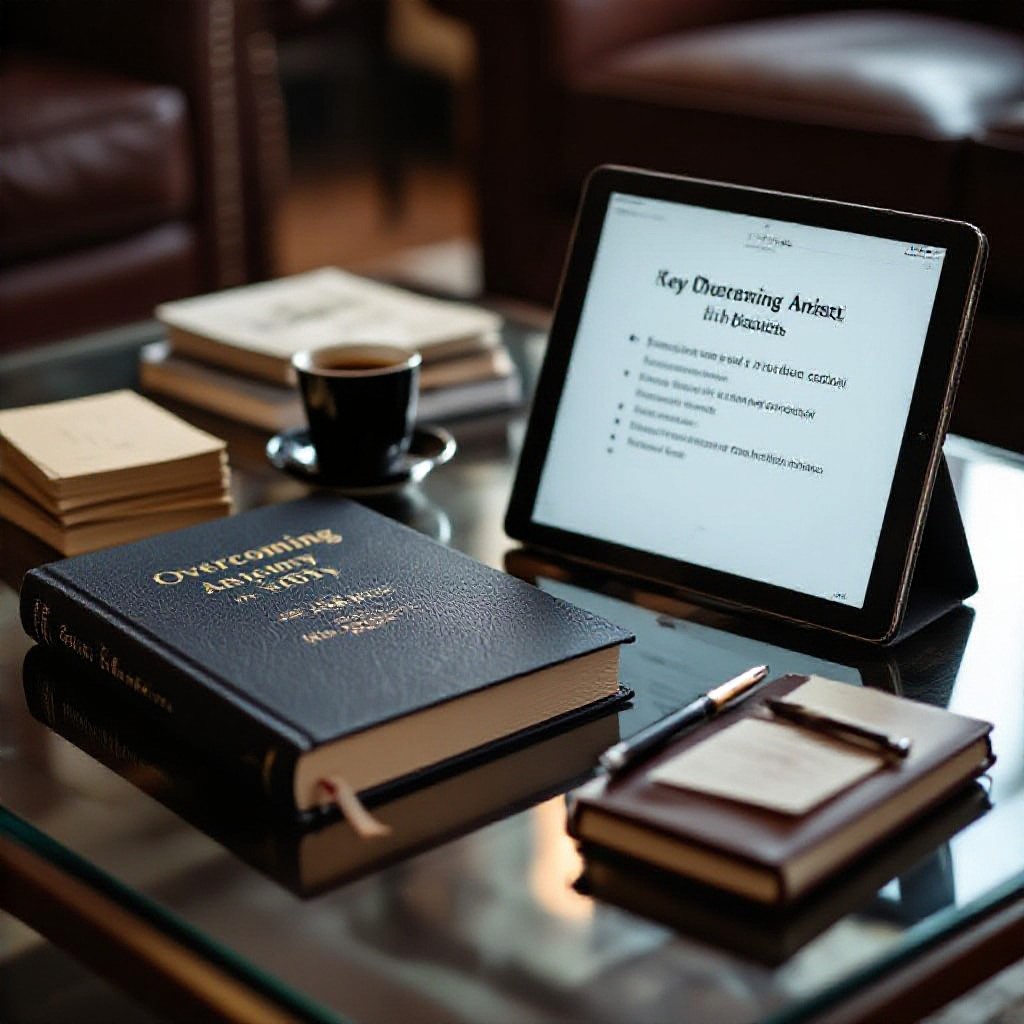

### Key Takeaways:
* This guide shows how the ancient wisdom of the Psalms can really help with modern anxiety. It’s not just about old texts; it’s about finding practical comfort and strength in them, a way to connect with something bigger than yourself when things feel overwhelming.
* The book helps you see your anxious thoughts and feelings in a new light, not as something to fight constantly, but as something to understand and work through with spiritual tools. It frames anxiety as a spiritual challenge, not just a mental health issue.
* You’ll find specific Psalms that speak directly to feelings of fear, loneliness, and despair. It’s like having a personalized script for when you can’t find the words yourself, offering solace and perspective right when you need it most.
* It’s not just about reading the Psalms; the guide gives you actual exercises and practices to make these texts come alive. Think journaling prompts, guided reflections, and even ways to incorporate them into your daily routine, making spiritual peace an active pursuit.
* The book highlights the idea that you’re not alone in your struggles. The Psalms show that people have dealt with similar anxieties for thousands of years, and that shared human experience can be incredibly comforting.
* This isn’t just for people who are super religious, either. The guide makes the Psalms accessible to anyone looking for a deeper way to cope with anxiety, offering universal themes of hope, resilience, and finding inner calm.
* Ultimately, the goal here is to build a stronger sense of spiritual peace, a kind of inner anchor that can hold you steady even when life gets turbulent. It’s about finding lasting comfort beyond quick fixes.

Why do I think these old songs actually help with modern stress?
You might wonder how ancient poetry could possibly speak to the pressures of your daily life – the never-ending to-do lists, the constant notifications, the general feeling of being overwhelmed. These psalms, though thousands of years old, tap into universal human experiences of joy, sorrow, fear, and hope, offering a timeless framework for processing your emotions and finding solace. They provide a unique spiritual lens for understanding and managing anxiety.
They don’t try to sugarcoat the messy stuff
Many people find comfort in the psalms because they don’t shy away from expressing raw, unfiltered emotions. You’ll encounter verses filled with despair, anger, and confusion right alongside those of praise and gratitude. This honesty creates a safe space for you to acknowledge your own difficult feelings without judgment.
It’s basically like having a raw conversation with God
Imagine you’re talking to a trusted friend, pouring out your heart without holding anything back. That’s the essence of engaging with the psalms. They offer a template for you to voice your deepest anxieties, fears, and even your complaints directly to a higher power.
You’re not expected to present a polished, perfect version of yourself; instead, you’re invited to bring your authentic, messy self to the divine. This practice can be incredibly therapeutic, allowing you to release pent-up emotions and experience a sense of being truly heard and understood, which is often a missing piece when you’re struggling with anxiety.
What’s really happening when your brain won’t stop racing?
You’re probably wondering what’s going on when your thoughts spiral, right? It’s your brain’s natural alarm system, the amygdala, kicking into overdrive, perceiving threats even when none are truly present. This response floods your system with stress hormones, creating that relentless cycle of worry and fear you know all too well.
The physical side of feeling totally on edge
Your body reacts too, you know. Muscles tense up, your heart races, and breathing gets shallow. It’s that fight-or-flight response, preparing you for danger that isn’t there, leaving you feeling exhausted and wired.
Honestly, we all get a bit overwhelmed sometimes
It’s completely normal to feel like things are piling up. Everyone experiences moments where the demands of life just seem to outweigh their capacity to cope, and that’s okay.
This feeling of being overwhelmed isn’t some personal failing, it’s a universal human experience. Think about it – deadlines, family responsibilities, unexpected challenges… they all contribute to that sensation of having too much on your plate. Your brain, trying its best to process everything, can sometimes just hit a wall, leading to those racing thoughts and that constant sense of unease. It’s a sign you’re pushing yourself, maybe a little too hard.

My take on combining therapy tricks with the Bible
You might think therapy and faith are separate paths, but I’ve discovered a powerful synergy. Blending therapeutic techniques with the Psalms offers a uniquely comforting and effective way to manage anxiety, providing both practical tools and deep spiritual solace for your journey towards peace.
Why deep breathing and reading go hand-in-hand
Many clients find deep breathing a bit abstract, right? Pairing those calming breaths with the rhythmic words of a Psalm grounds the exercise, giving your mind something tangible to focus on. It’s a beautiful way to center yourself.
Finding your go-to verse for those panic moments
Picking a verse ahead of time might seem odd, but trust me, it’s a game-changer. When anxiety hits, your brain can’t think clearly. Having one ready provides an instant anchor.
You’re not trying to memorize the entire book of Psalms, that’s not the point here. Instead, think of it like this: you’re curating your own personal ‘first-aid kit’ for anxiety, and one key item in that kit is a specific, comforting verse. Maybe it’s Psalm 23, “The Lord is my shepherd; I shall not want,” or perhaps Psalm 46:1, “God is our refuge and strength, a very present help in trouble.” The beauty is, it’s totally up to you. You’ll want to choose a verse that truly resonates with *you*, that speaks to your soul and offers a sense of calm just by reading it. Practice it a few times, maybe even write it on a small card you can keep in your wallet. That way, when a wave of panic washes over you, you don’t have to search; you just reach for your anchor.
So, which Psalms should you honestly read first?
Selecting the right Psalm can feel a bit overwhelming, right? You’re not alone in wondering where to even begin with this ancient collection. Think of it like choosing a comfort food when you’re feeling low – you want something that just hits the spot and brings you a sense of calm.
What to read when you’re feeling totally alone
When loneliness grips you, Psalm 23 is your go-to. It’s short, it’s sweet, and it paints a picture of divine companionship that can truly soothe an aching heart. You’ll find yourself wrapped in comforting words, feeling less isolated.
Dealing with that annoying what-if spiral
That relentless cycle of “what if” thoughts can be a real peace-stealer, can’t it? For those moments, turn to Psalm 46. It’s a powerful declaration of God as a refuge, a present help in trouble, quieting those anxious whispers in your mind.
This Psalm reminds you that even when the world feels like it’s crumbling – mountains falling into the sea, nations in an uproar – there’s a steady, unshakeable presence. It encourages you to “be still, and know that I am God,” a simple yet profound invitation to release control and trust in something bigger than your worries. You’re not meant to shoulder every potential future problem, you know?
How to start a routine that doesn’t feel like a total chore
Building a new habit can feel like a mountain, especially when you’re already feeling overwhelmed. You don’t need a huge commitment to begin experiencing the peace the Psalms offer. Start small, be kind to yourself, and watch how these tiny steps transform your inner world.
Just five minutes is plenty, seriously
Think about setting a timer for just five minutes. You can read a Psalm, meditate on a verse, or simply sit in quiet reflection. This isn’t about perfection; it’s about showing up for yourself, even briefly. Five minutes can be surprisingly powerful.
Why writing things down makes a huge difference
Your thoughts can race, making it hard to focus on spiritual peace. Putting pen to paper helps organize those swirling anxieties, giving them a physical form you can then address. It’s a simple act with profound calming effects.
When you journal, you’re not just writing words; you’re creating a space for reflection and clarity. You can jot down the Psalm that resonated most with you that day, or perhaps a particular verse that offered comfort. Sometimes, just articulating your feelings about a difficult situation, or even celebrating a small victory, can release a lot of pent-up emotional energy. This practice allows you to track your spiritual journey, notice patterns in your anxiety, and see how the Psalms are actively guiding you toward peace.
Final Words
Following this guide, you’ve discovered how the Psalms aren’t just ancient texts, but powerful tools for peace. You’ve learned to integrate them into your daily life, finding solace and strength when anxiety tries to take over. This journey with the Psalms offers you a unique path to spiritual tranquility and lasting calm. You can conquer anxiety, and these ancient words are here to help you do it.
FAQ
Q: How does “Overcoming Anxiety with the Psalms” bridge the gap between spiritual practice and therapeutic techniques?
A: You know, a lot of people feel like their spiritual life and their mental health journey are two totally separate things. This guide really challenges that idea. It doesn’t just tell you to pray and hope for the best; instead, it shows you how the ancient wisdom of the Psalms can actually be a really powerful tool you can use alongside modern therapeutic strategies.
The book explains how to integrate these spiritual texts into practical exercises – things like mindful meditation, cognitive restructuring, and emotional regulation. It’s about finding those points where faith and psychology naturally intersect, giving you a more complete approach to managing anxiety. It’s not one or the other; it’s both, working together.
Q: What makes the Psalms particularly effective for addressing anxiety, compared to other religious texts?
A: The Psalms are just so raw and honest, aren’t they? They don’t shy away from fear, despair, or doubt. You read them and you hear people pouring out their hearts, expressing deep anxiety, and then, finding solace and hope. This authenticity is key. You see yourself in those verses.
Many Psalms move through a clear emotional arc: from distress to lament, then to a turning point of trust and praise. This structure provides a kind of emotional roadmap for someone struggling with anxiety. It validates their feelings, offers a way to process them, and then gently guides them towards a more peaceful state. It’s like a built-in therapeutic process right there in the text.
Q: Is this guide suitable for someone who isn’t deeply religious or familiar with the Bible?
A: Absolutely, it is! You don’t need to be a theologian or even a regular churchgoer to find value here. The guide focuses on the universal human experiences expressed in the Psalms – things like fear, hope, uncertainty, and seeking comfort. These are feelings everyone understands, regardless of their spiritual background.
The book explains the Psalms in an accessible way, without a lot of jargon. It’s more about extracting the therapeutic principles and emotional insights from the text than it is about strict religious doctrine. Think of it as using ancient poetry for modern well-being. Anyone can benefit from learning how to find peace in times of trouble, and that’s what this offers.
Q: What specific therapeutic techniques are integrated with the Psalms in this guide?
A: The guide is pretty clever about weaving in well-known therapeutic approaches. You’ll find elements of Cognitive Behavioral Therapy (CBT), for example, where the Psalms help you identify and challenge anxious thoughts. Instead of just letting those thoughts spiral, you learn to reframe them with the hopeful messages found in the Psalms.
Mindfulness practices are also a big part of it. The book shows you how to use Psalm verses for meditation, helping you stay present and calm. There’s also a focus on emotional regulation, using the Psalms to express and process difficult feelings in a healthy way. It’s a really practical blend, honestly, giving you tools you can use every day.
Q: How can a therapist effectively use this guide with their clients, especially those with varying spiritual beliefs?
A: This is a great question, because every client is different. A therapist can introduce this guide as an optional resource, emphasizing its focus on universal human emotions and coping strategies rather than promoting a specific faith. They might suggest specific Psalm passages that resonate with a client’s current struggles, perhaps for reflection or journaling, without requiring belief in a particular religious context.
It’s about meeting the client where they are. If a client has a spiritual background, this guide can deepen their existing coping mechanisms. If they don’t, it can offer a new perspective on finding comfort and meaning. The therapist can frame it as exploring ancient wisdom for modern stress, making it accessible to a wider audience. It’s a tool, not a sermon.
Q: What kind of practical exercises or meditations does the guide offer for daily use?
A: The guide is packed with practical stuff, which is what makes it so useful. You’ll find guided meditations where you focus on specific Psalm verses, letting the words sink in and calm your mind. There are journaling prompts that encourage you to reflect on your anxieties and how the Psalms speak to them, helping you process your thoughts and feelings.
It also includes breathing exercises paired with Psalm phrases, making it easy to integrate spiritual practice into moments of stress. You’ll learn how to create your own “Psalm anchors” – go-to verses you can recall when anxiety hits. These aren’t just theoretical ideas; they’re actionable steps you can build into your daily routine, even if you only have a few minutes.
Q: How does the guide address potential feelings of guilt or inadequacy that might arise when struggling with anxiety despite having faith?
A: That’s a really important point, because many people of faith feel like they “shouldn’t” be anxious, which just adds another layer of stress. This guide directly confronts that. It normalizes the experience of anxiety, even for those with strong spiritual beliefs, by showing how even the psalmists themselves expressed deep fear and doubt. You’re not alone, and you’re certainly not failing in your faith.
The book helps you reframe anxiety not as a failure of faith, but as a human experience that can be navigated with both spiritual wisdom and therapeutic tools. It emphasizes compassion for yourself and understanding that seeking help, whether spiritual or psychological, is a sign of strength, not weakness. It’s about finding grace in your struggle, not judgment.
https://renewedmindproject.com/god-or-therapy-seeking-professional-help/
https://renewedmindproject.com/biblical-boundaries-loving-without-losing-yourself/