
Christian faith offers a unique lens for understanding human well-being. You’ll discover how the Biopsychosocial-Spiritual Model integrates your physical, mental, social, and spiritual dimensions. This model provides a comprehensive framework for ministering to the whole person, just as God created you.

### Key Takeaways:
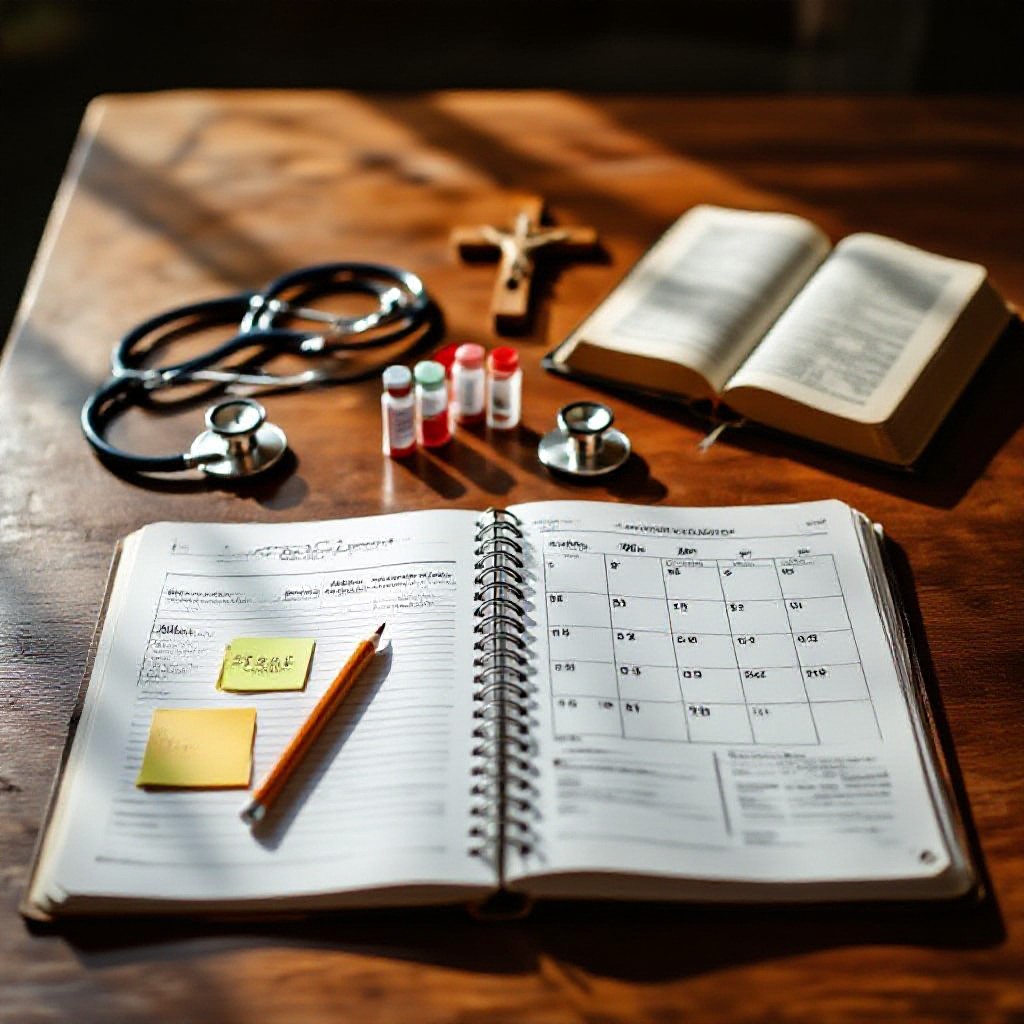
A truly holistic understanding of ourselves, especially from a Christian perspective, goes way beyond just our physical bodies. This model shows us that we’re a complex mix of biological, psychological, social, and spiritual elements, all interconnected and influencing each other.
Our bodies matter, obviously. Biological factors like genetics, brain chemistry, and physical health play a big role in how we feel and function. You can’t ignore the physical stuff when you’re talking about a whole person.
Then there’s the psychological aspect – our thoughts, emotions, beliefs, and coping mechanisms. How we process experiences and what we believe about ourselves profoundly impacts our well-being. It’s not just about what happens to us, but how we interpret it.
We’re also incredibly social beings. Our relationships, family dynamics, community, and cultural context shape who we are and how we experience life. No one lives in a vacuum, and our connections (or lack thereof) are super important.
The spiritual dimension is really central here, especially from a Christian viewpoint. This isn’t just about religion, but our relationship with God, our sense of purpose, values, and ultimate hope. It’s the core that can give meaning to everything else.
All these parts are constantly interacting. A problem in one area – say, a physical illness – can affect your mood, your relationships, and even your spiritual outlook. It’s never just one thing; it’s a whole system at play.
Understanding this interconnectedness means we need a comprehensive approach to care. If someone’s struggling, you can’t just treat their physical symptoms or just talk about their feelings. You have to look at the whole picture to offer real, lasting support.

What’s this whole BPSS thing anyway?
You’re probably wondering what this “Biopsychosocial-Spiritual” model even means. It’s a fancy way of saying we’re more than just a collection of symptoms; you’re a complex, interconnected being. This model helps us see you as a whole person, not just a label.
Breaking down those big-fancy words
“Bio” covers your body – genetics, health, and physical stuff. “Psycho” looks at your mind – thoughts, feelings, and coping. “Social” considers your relationships and environment. “Spiritual” embraces your faith and purpose.
Why we need to look at the big picture
Ignoring one part of you means missing a piece of the puzzle. You can’t truly understand someone’s struggles without seeing how everything connects.
Thinking about your overall well-being means acknowledging that a physical ailment might stem from stress, or a spiritual struggle could impact your relationships. You see, focusing solely on one aspect means you’re only getting part of the story, and that’s just not enough to offer real, lasting support. This holistic view helps uncover hidden connections, leading to more complete and effective care for you, because you deserve it.
Our bodies actually matter to God
You might think your physical form is just a temporary vessel, a shell for your true spiritual self. But Christian theology paints a very different picture, one where your body holds profound significance, not just for you, but for God himself. It’s a concept that truly reshapes how you see yourself.
It isn’t just “flesh” and bones
Many spiritual traditions view the body as a hindrance, something to transcend. But for Christians, your physical body is a good creation from God. It’s intricately designed, a marvel of biological engineering, not just a disposable casing.
Taking care of the temple for real
So, if your body matters, what does that mean for how you live? It means you’re called to stewardship, to treat your body with respect and care. It’s not just about avoiding “bad” things, but actively pursuing health.
You know, there’s a lot of talk these days about self-care, and that’s a good thing, but for Christians, it goes deeper than just a spa day or a new diet trend. It’s about recognizing that your body is a dwelling place for the Holy Spirit, a sacred space. This understanding elevates how you approach nutrition, exercise, and even sleep. It’s about honoring God with your choices, seeing your physical well-being as an act of worship. This perspective really reframes how you think about your daily habits, doesn’t it?
What’s going on in your head?
You’ve likely noticed the growing conversation around mental health, and for good reason. Your mind, a complex and intricate part of God’s design, profoundly influences your experience of life. Understanding its workings, through a Christian lens, helps you care for your whole self.
Mental health isn’t a sign of weak faith
Sometimes, you might feel shame or guilt about struggling mentally. Rest assured, your struggles don’t indicate a lack of faith. Your brain, a physical organ, can experience illness just like any other part of your body.
The real deal about our thought lives
Your thoughts hold incredible power, shaping your emotions and actions daily. What you dwell on matters, truly.
Consider this: your thought life isn’t some separate, ethereal plane; it’s deeply intertwined with your spiritual walk, your emotional well-being, and even your physical responses. The Bible constantly encourages you to renew your mind, to “take every thought captive,” because what you allow to take root there ultimately blossoms into your reality. This isn’t about simply “thinking positive”; it’s about actively engaging with truth, challenging lies, and inviting the Holy Spirit to transform your internal landscape, which then impacts everything else.
We seriously weren’t made to be alone
You know, God created us for connection, right from the very beginning. You weren’t designed to go through life solo, carrying every burden yourself, because isolation really messes with your whole being – spirit, soul, and body. We need each other.
Why your friends affect your walk
Think about the company you keep; they really do rub off on you. Your closest companions can either pull you closer to God or subtly, sometimes not so subtly, lead you astray. Choose wisely, because their influence is powerful.
Church is way more than just a building
Many people just see church as a place you go on Sunday mornings, a building with pews and a pulpit. You might even think of it as just a weekly obligation, something to check off your list. But that’s missing the point entirely, isn’t it?
The early church wasn’t about fancy buildings; it was about people, a community living life together, sharing meals, praying for each other, and growing in faith. You see, when you’re part of a healthy church, you’re experiencing a living, breathing body of believers, a place where you’re known, loved, and challenged to become more like Christ. It’s where your spiritual gifts are sharpened, where you find support in tough times, and where you contribute to something bigger than yourself – it’s true family.
The missing piece most people miss
You’ve explored the biological, psychological, and social aspects, haven’t you? Many models stop right there, missing the profoundly human, and frankly, divine, dimension that completes your picture of well-being. This oversight leaves a significant gap in true holistic care.
Connecting with the Creator directly
You often seek external solutions for inner turmoil. True peace, however, comes from direct communion with God, shaping your entire outlook. This spiritual connection grounds you, providing purpose and ultimate belonging.
How the soul ties the rest together
Your body and mind are incredible, but they’re not the whole story. The soul, your eternal essence, orchestrates everything. It’s the core of who you are, giving meaning to your experiences.
Many people think the soul is just some abstract idea, disconnected from daily life. But really, your soul is like the central processing unit for your entire being – it’s where your will, your intellect, and your emotions truly reside. It’s what allows you to reason, to choose, and to feel deeply, influencing how you interact with your physical body, your thoughts, and your relationships. Without that spiritual foundation, everything else just feels… adrift, you know? Your soul isn’t just a part of you; it *is* you, in your deepest sense.
My take on how it all fits together
How do we really integrate all these aspects of ourselves into a coherent whole? You’ll find that understanding the biopsychosocial-spiritual model helps you see yourself, and others, through a more compassionate and comprehensive lens. It’s about recognizing the interconnectedness of everything you are.
Jesus cared about the whole person
Think about Jesus’s ministry – it wasn’t just about spiritual healing, was it? He fed the hungry, healed the sick, and offered emotional comfort, showing us a holistic approach to care. He truly saw people, addressing all their needs.
Living a balanced life for real
So, what does a truly balanced life look like when you consider all these dimensions? It means you’re intentionally nurturing your body, mind, relationships, and spirit, not just focusing on one area. It’s an ongoing process, not a destination.
Achieving this kind of balance isn’t about perfection; it’s about mindful awareness and consistent effort. You’re not going to hit every mark every day, and that’s okay. Instead, you’re aiming for a rhythm where you’re consistently checking in with yourself across these different areas. This might mean scheduling time for physical activity, prioritizing genuine connection with loved ones, engaging in practices that nourish your soul, or simply allowing yourself moments of quiet reflection. It’s an active, dynamic pursuit, evolving as you do.
Final Words
Summing up, you’ve seen how integrating the biopsychosocial-spiritual model with a Christian worldview provides a truly comprehensive understanding of the individual. This isn’t just about different parts; it’s about how they’re all woven together, making you who you are. Understanding this holistic perspective can genuinely transform how you approach well-being and personal growth.
FAQ
Q: What exactly is the Biopsychosocial-Spiritual Model, and why should I care about it?
A: Okay, so imagine you’re feeling a bit off, right? Maybe you’re stressed, or just generally unwell. A lot of times, we tend to focus on just one thing – like, “Oh, I have a headache,” or “I’m just feeling down.” But the Biopsychosocial-Spiritual Model says, “Hold on a minute, you’re more than just a headache or a mood.” It’s a way of looking at you as a whole person, not just a collection of symptoms. It acknowledges that your biology (your body, genes), your psychology (your thoughts, emotions), your social life (your relationships, community), and your spiritual side (your beliefs, sense of purpose) all play a part in your overall health and well-being. It matters because if you only treat one piece of the puzzle, you’re probably missing something big. You’re not just a body, after all.
Q: How does the “spiritual” aspect fit into this model, especially from a Christian perspective?
A: This is where it gets really interesting, especially for those of us with a Christian worldview. The “spiritual” part isn’t just about going to church on Sundays, though that’s certainly part of it for many. It’s about your connection to God, your faith, your sense of purpose that comes from a higher power. From a Christian view, this isn’t just another component; it’s often seen as the foundational layer, the very core of who you are. Your relationship with Christ can influence your outlook, your resilience, and even how you cope with physical illness. It shapes your values, your hope, and your understanding of suffering. When you ignore this part, you’re missing a huge piece of your identity and your potential for healing.
Q: Can you give me an example of how these different parts interact in a real-life situation?
A: Absolutely. Let’s say someone is dealing with chronic pain. From a purely biological standpoint, a doctor might prescribe medication. That’s important, of course. But what if that pain is causing them to feel really down and anxious (psychological)? And because they’re in pain, they’re isolating themselves from friends and family, making their social life suffer? On top of that, maybe they’re questioning their faith or feeling a lack of purpose because of their condition (spiritual). You see how it all connects? If you only treat the pain with medication, you’re not addressing the anxiety, the isolation, or the spiritual struggle. A holistic approach would look at all these facets, perhaps incorporating therapy for anxiety, support groups, and spiritual counseling alongside medical treatment. It’s about understanding the ripple effect.
Q: Is this model just for big, serious health issues, or does it apply to everyday life too?
A: Oh no, this isn’t just for major crises! Think about your everyday stress, for example. You might have a deadline at work (social/psychological stressor). That stress might give you a tension headache (biological). If you’re not spending time in prayer or connecting with your faith, you might feel more overwhelmed (spiritual). Even something as seemingly minor as a persistent feeling of being “blah” can have roots in multiple areas. Maybe you’re not eating well (biological), feeling lonely (social), or just generally lacking motivation (psychological/spiritual). Understanding this model helps you identify those interconnected factors and proactively make changes in all areas of your life, not just waiting for a big problem to arise. It’s really about living a more balanced and healthy life every single day.
Q: How does a Christian perspective on this model differ from a purely secular one?
A: That’s a great question, and it’s a significant distinction. A secular biopsychosocial model would certainly acknowledge the biological, psychological, and social aspects. It might even touch on “meaning and purpose” or “values” as part of the psychological or social dimensions. However, a Christian view places the spiritual component in a unique position. It’s not just another factor; it’s often the overarching framework. It acknowledges a personal God who is active in our lives, offers grace and redemption, and provides ultimate hope. This understanding means that spiritual health isn’t just about coping mechanisms; it’s about a transformative relationship with Christ that influences every other aspect of our being. It offers a deeper wellspring of strength and meaning that a secular model simply can’t provide.
Q: If I want to apply this model to my own life, where should I even begin?
A: That’s the practical side of it, right? You want to actually use this stuff. A good starting point is self-reflection. Take a moment to honestly assess each area: How are you doing physically? Are you eating well, getting enough sleep, moving your body? Psychologically, how are your thoughts and emotions? Are you managing stress? Socially, how are your relationships? Do you feel connected? And spiritually, how is your walk with God? Are you spending time in prayer, reading scripture, feeling connected to your faith community? You don’t have to fix everything at once. Pick one area that feels a bit neglected and start there. Small, consistent steps in any of these areas can create a positive ripple effect across your entire being. Maybe it’s just committing to a short prayer each morning, or taking a walk, or reaching out to a friend you haven’t spoken to in a while.
Q: Can this model help me understand and support others better, like friends or family members?
A: Absolutely, it can totally change how you interact with others. When a friend is struggling, it’s easy to jump to conclusions or offer quick fixes. But if you keep the Biopsychosocial-Spiritual Model in mind, you’ll start to ask different questions. Instead of just saying, “Oh, you just need to pray more,” you might consider, “Is there something physically going on? Are they feeling overwhelmed mentally? Have they been isolating themselves?” It helps you listen with more empathy and understand that a person’s struggles are often multi-faceted. You’ll be able to offer more comprehensive support, whether that’s encouraging them to see a doctor, suggesting a therapist, inviting them to a social gathering, or simply praying with them and reminding them of God’s love. It encourages you to see the whole person, not just the visible problem.
https://renewedmindproject.com/the-biopsychosocial-spiritual-model-a-christian-view/
https://renewedmindproject.com/ai-and-mental-health-trusting-an-ai-therapist/
